9 Nutrition Myths That Harm Your Wellness
The world is full of advice about food—some helpful, some downright confusing. From trendy diets to old wives’ tales, it’s easy to stumble into habits that don’t serve our bodies. If you care about nutrition and wellness, clearing up these myths can help you make better choices. Let’s unravel nine common myths that may be holding your wellbeing hostage.
1. Nutrition and Wellness Means Cutting Out All Carbs

Carbs often get a bad reputation, but whole grains, fruits, and veggies are powerful sources of energy and nutrients. Understanding the balance between nutrition and wellness means recognizing that not all carbs are created equal—brown rice and donuts, for example, tell two very different stories.
2. Eating Late at Night Always Causes Weight Gain

It’s not the clock that matters—it’s what and how much you eat. Snacking on nourishing foods like yogurt or fruit at night can still fit into a healthy pattern if overall choices stay balanced.
3. All Fats Are Bad for You
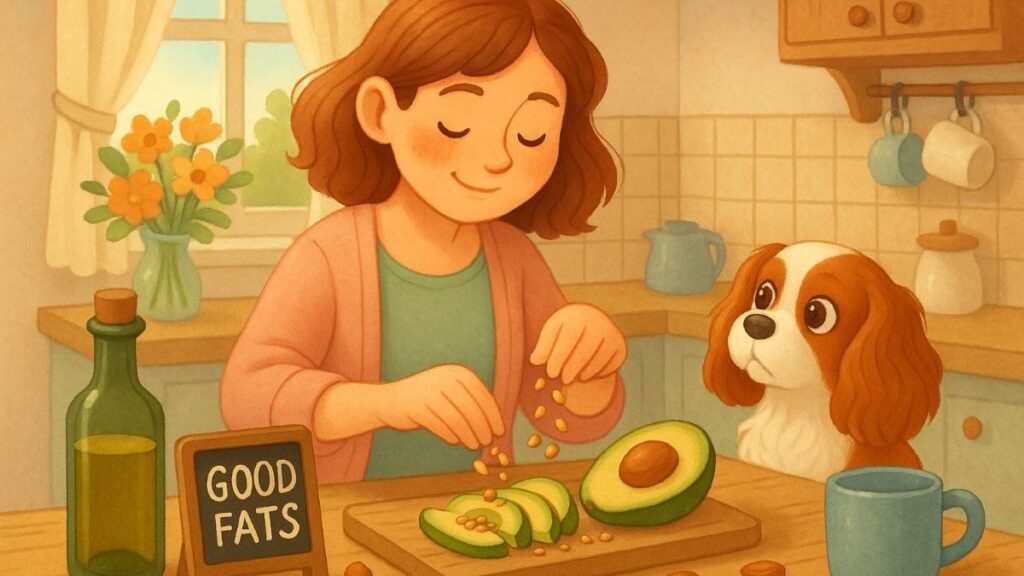
Healthy fats—like those found in nuts, avocados, and olive oil—actually support brain health, energy, and hormone function. The myth that all fats are villains is long overdue for retirement.
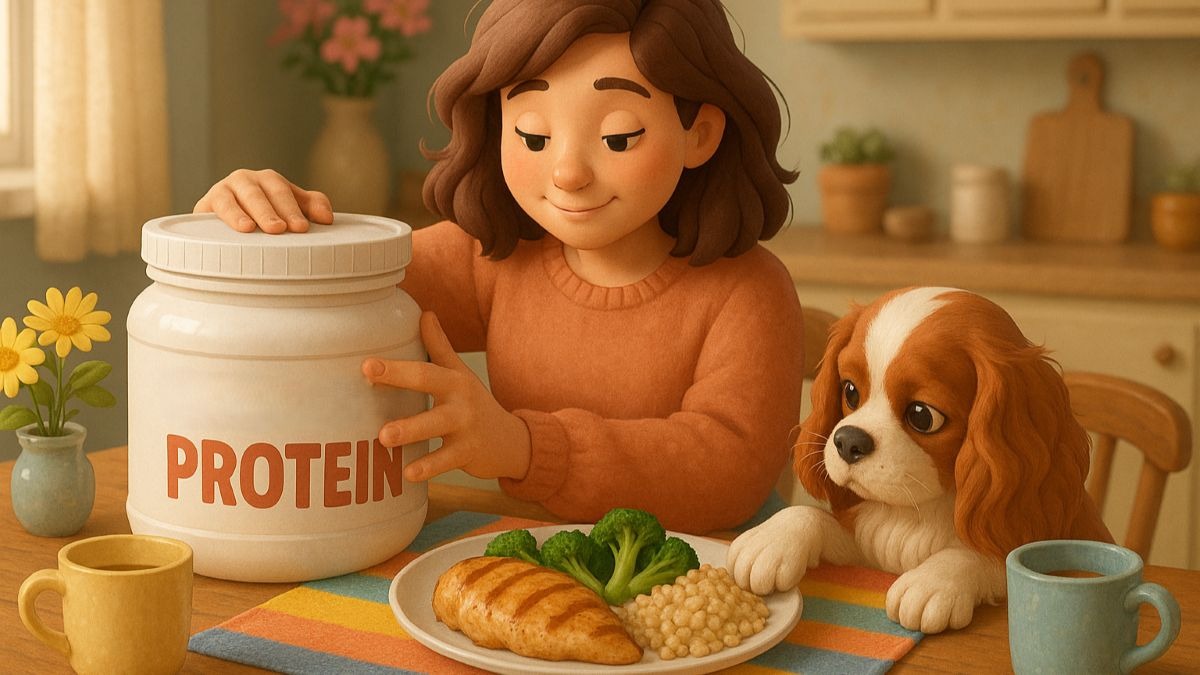
4. More Protein Is Always Better

While protein is important, too much can strain the kidneys and crowd out other essential nutrients. Balance across food groups is still the key to feeling strong and energized.
5. Fresh Produce Is Always Healthier Than Frozen

Frozen fruits and veggies are often picked at peak ripeness and can contain just as many nutrients as fresh options. Don’t fear the freezer section—it’s a treasure chest of goodness.
6. Skipping Meals Helps with Weight Control

Skipping meals may lead to energy crashes and overeating later on. Steady, balanced meals and snacks help keep both body and mood stable throughout the day.
7. Gluten-Free Is Automatically Healthier

For people with celiac disease or gluten sensitivity, avoiding gluten is essential. But for others, gluten-free processed foods may be less nutritious than whole-grain versions of bread or pasta.
8. Detox Diets Cleanse Your Body

Your liver and kidneys are the real detox heroes, no special juices required. Supporting your body with water, whole foods, and rest is far more effective than expensive cleanses.
9. Supplements Can Replace Whole Foods

Supplements can fill gaps when needed, but they can’t replace the complex mix of vitamins, minerals, and fiber found in whole foods. Think of them as backup singers, not the lead act.