10 Ways You’re Doing Self-Care Wrong
Hot take: many of us are “doing self-care” and accidentally making life harder. Blame hustle culture, perfect-routine pressure, and a thousand conflicting reels. If you’ve been collecting self-care tips for mental health but still feel crispy around the edges, this list is your gentle course-correction: small shifts, fewer rules, and relief that actually shows up in real life.
1. You Treat Rest Like a Reward

When rest is something you “earn,” you’ll never feel deserving. Schedule it first: a 10-minute break block in your calendar, a phone-free tea, or a short window nap if you can. Treat rest like brushing your teeth—basic maintenance, not a medal. You’ll return clearer and kinder, which quietly upgrades everything else.
2. Your Routines Only Work on Perfect Days

If your ritual collapses during busy weeks, it’s too fragile. Create “minimum viable” versions: five minutes of movement, two pages of reading, one veggie on the plate. Tiny counts. When life roars, you still keep the thread; when life quiets, you expand. Consistency beats intensity for nervous systems every time.
3. You’re Chasing New (self care tips for mental health) Instead of Practicing Basics

Hot gadgets and hacks are fun, but the fundamentals move the needle: steady meals with protein and fiber, water within reach, morning light, and enough sleep. Pick one foundation to lock in this week. Most “mind-blowing” self-care tips are just creative ways to say: do the basics—consistently.
4. You Confuse Numbing Out with Restoring Energy

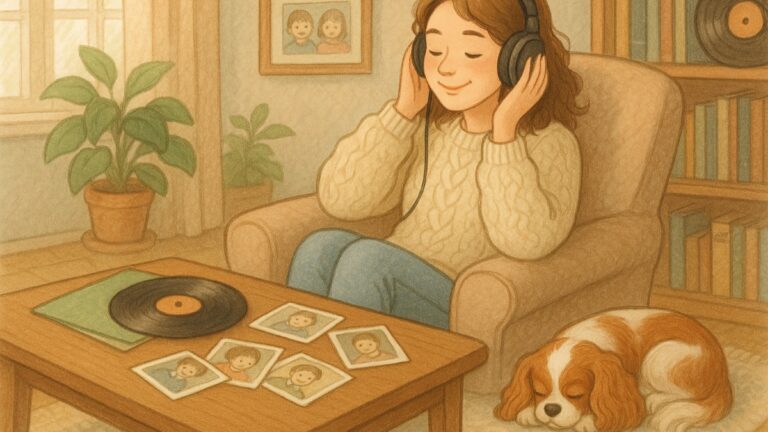
Doomscrolling feels like off-duty, but it’s often stimulation in sweatpants. Try a 20-minute “true rest” block: book + blanket, porch light, or slow stretch with music. Set a gentle timer and notice how your brain lands. You’re not anti-phone—you’re pro-nervous-system.
5. You Made Food Rules So Strict They Backfire

All-or-nothing eating usually becomes all-or-nothing… again. Swap in flexible guardrails: protein at meals, color on the plate, and treats paired with a nourishing sidekick (berries with chocolate, hummus with chips). You still enjoy the thing, without the energy crash or guilt spiral.
6. You Overlook Morning Light and Movement

Sixty seconds of daylight helps set your body clock and mood. Add a short walk or a few playful stretches. It’s small, free, and ridiculously effective. Bonus: it often improves sleep the same night. Call it a sunrise nudge for the whole system.
7. Your Evenings Have No “Landing Strip”

Crash-landing into bed keeps your brain at airport volume. Make three steps you repeat nightly: lamp warm, phone airplane mode, book open to the next page. Same order, same cues. Your body learns, “We’re landing,” and follows with deeper, easier sleep.
8. You Don’t Ask for 10% Help

You don’t need a hero; you need a sliver. Ask for a 10% assist: a ride share, a quick review of an email, a borrowed tool. Most humans love to help in small ways, and reciprocity builds connection—the original wellness stack.
9. You Track Everything but Don’t Feel Anything

Data is a flashlight, not a verdict. Pair your steps/sleep with a two-line reflection: energy, mood, and one tiny win. This adds context so the numbers serve you. If the metric says “great” but you feel foggy, trust your body and adjust.
10. You Forgot Joy is a Skill, Not a Prize

Create a “joy stash”: tea you love, silly stickers, a postcard to mail, soft socks. On hard days, use one item—no bargaining. Joy practiced in small doses builds capacity for bigger happiness later. It’s practical magic for everyday life.